
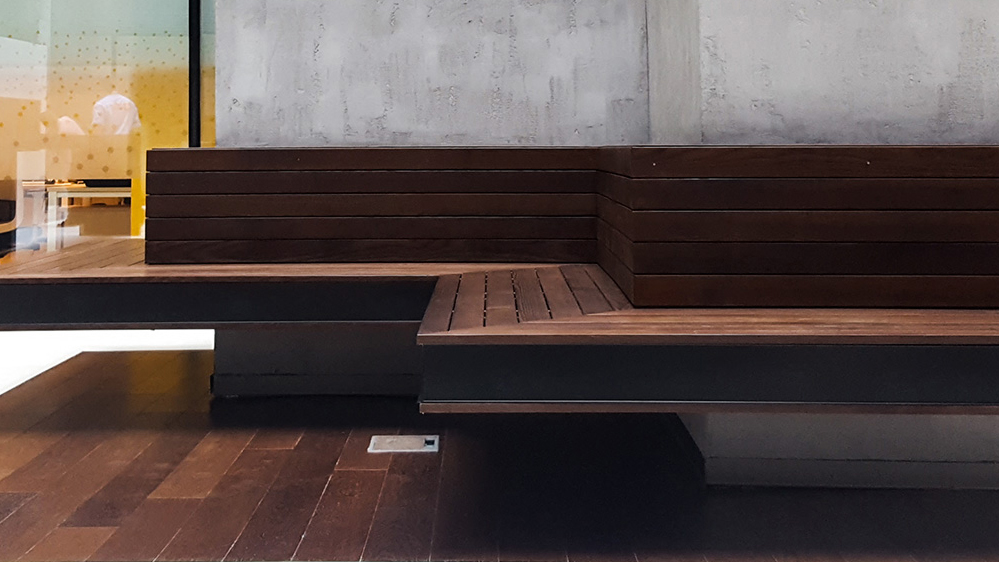
Among all the materials used in landscape architecture, wood holds a special place. It is tactile, warm, and familiar, creating an immediate sense of comfort and belonging. In gardens and public spaces alike, wood connects design with the natural world, reminding us of forests, growth, and time. More than any other material, it carries an organic character that softens lines and balances harder surfaces such as stone or concrete.
Wood’s versatility allows it to define space in countless ways. Pergolas provide structure and shade, transforming terraces into outdoor rooms. Decking creates platforms for relaxation and social gatherings, while wooden pathways invite movement through planted areas. In contemporary gardens, minimalist timber benches or sculptural elements act as both furniture and design features, blending utility with artistic expression.
Unlike many industrial materials, wood acquires beauty over time. Its color shifts, its surface develops patina, and its texture tells the story of exposure to sun, rain, and wind. This evolving aesthetic makes wood uniquely suited for sustainable garden design, where natural transformation is not hidden but celebrated. Whether in private gardens of Bucharest or in urban plazas, wood remains a timeless companion to vegetation and architecture.
Wood also brings important ecological advantages when responsibly sourced. Certified timber ensures forests are managed sustainably, while engineered wood products reduce waste and extend durability. Combined with natural oils and treatments, wooden elements can achieve long lifespans with minimal environmental impact. In this way, wood supports the principles of eco-conscious landscape architecture, aligning beauty with responsibility.
In design, wood is often paired with stone, metal, or glass to create striking contrasts. A corten steel planter alongside a cedar deck highlights the tactile difference between warm and cool surfaces. Wooden slats integrated into facades or fences soften rigid lines, creating rhythm and transparency. These combinations illustrate how wood mediates between nature and construction, offering a bridge between softness and strength.
In urban spaces, wood is increasingly present in public furniture, decking systems, and boardwalks, providing comfort and a human scale to otherwise mineral environments. In private gardens, wood supports a more intimate atmosphere: terraces, children’s play structures, or vertical screens that ensure privacy. In both contexts, its tactile quality encourages touch and interaction, making outdoor areas feel more accessible and welcoming.
Wood’s role in landscape design extends beyond functionality. It is a material that carries memory, warmth, and humanity into outdoor spaces. At CMD/LA, we value wood not only for its versatility and sustainability but also for its emotional impact — the way it makes people feel at home in gardens, plazas, and parks. In contemporary landscape architecture, wood remains a symbol of balance: a material that is as enduring as it is inviting, shaping spaces that connect people with nature and each other.
