
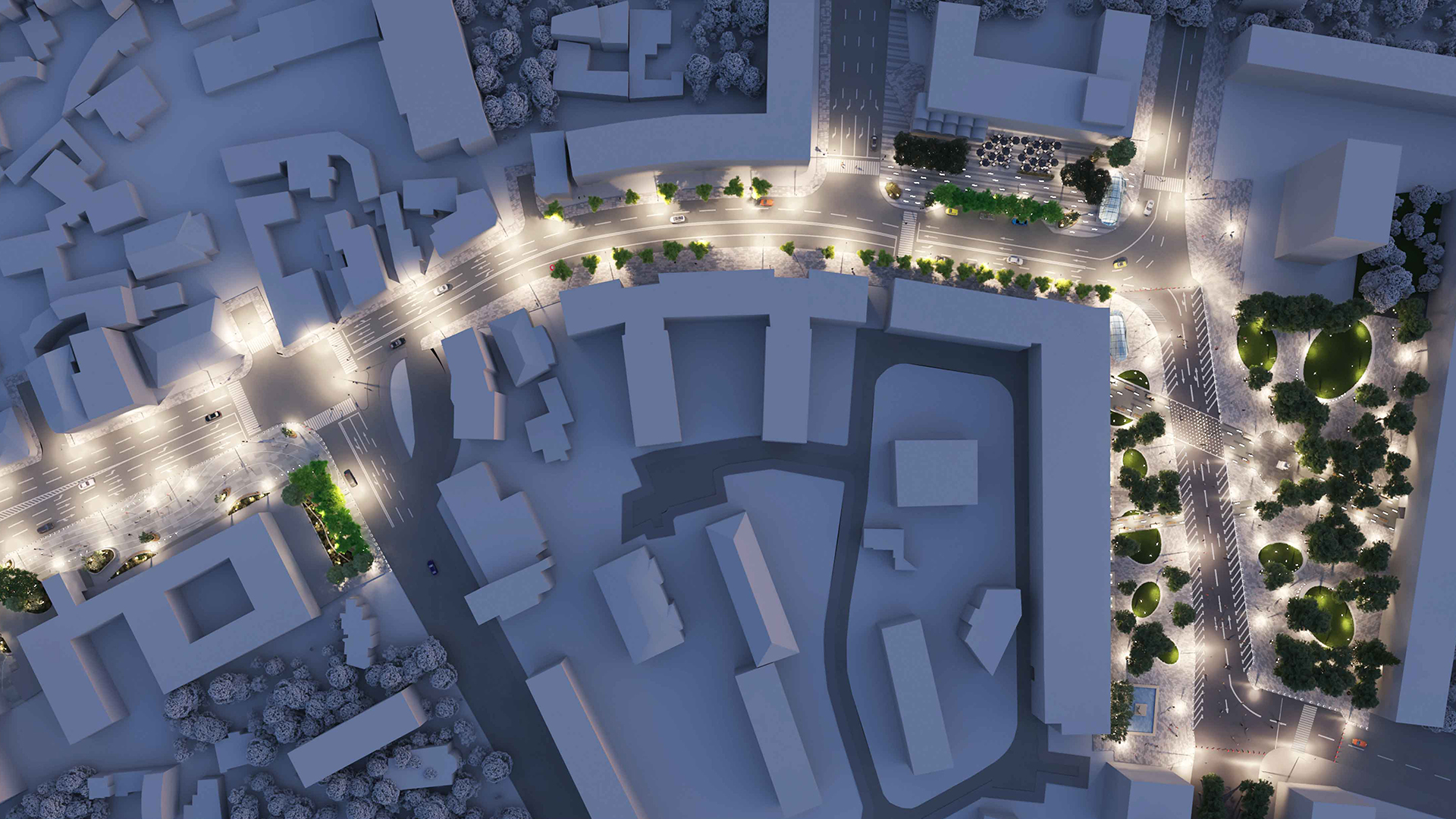
Urban areas are under constant pressure. Rapid urbanization, climate change, and social dynamics create environments that need to adapt quickly while ensuring a high quality of life for their residents. Urban landscape architecture plays a crucial role in this process, offering not only aesthetic solutions but also strategies that increase the resilience of cities. From green infrastructure to multifunctional public spaces, landscape design is becoming a fundamental tool in building resilient cities.
One of the most effective strategies in contemporary urban design is the integration of green infrastructure. Parks, green corridors, urban forests, and water-sensitive landscapes are more than decorative elements — they are essential systems that regulate temperature, absorb rainwater, and improve air quality. In cities like Bucharest, where urban density and heat islands are a real problem, the integration of large-scale green systems helps mitigate the impact of climate change while creating healthier living environments.
Resilient cities are not built only through technology but through flexible and adaptive spaces. Squares, plazas, and boulevards must serve multiple purposes: traffic, cultural events, leisure, and even emergency situations. Designing these spaces with modular landscape elements, durable materials, and adaptable structures ensures that they can transform according to the needs of the community.
Water is both a resource and a risk in the urban context. Floods, heavy rainfalls, and droughts are challenges that must be addressed through intelligent design. Rain gardens, permeable pavements, and retention basins are strategies that allow cities to capture and reuse rainwater while reducing the risk of flooding. At the same time, water features — fountains, canals, reflective pools — enrich public space and offer moments of relaxation.
A resilient city is also a cohesive city. Urban landscapes must reflect local culture and values, offering residents a sense of belonging. By engaging communities in the design process, architects and planners ensure that spaces are not only functional but also meaningful. In Bucharest and other Romanian cities, rediscovering the connection between nature, history, and daily life becomes an essential step in building sustainable urban identities.
Resilience today also means using technology in the service of the city. Sensors that monitor air quality, smart irrigation systems, and digital platforms that allow citizens to interact with public spaces are already part of smart landscape design. Combining tradition with innovation ensures that urban environments remain not only livable but also forward-looking.
The future of cities depends on their ability to adapt. Urban resilience is not a luxury but a necessity. By integrating green infrastructure, multifunctional public spaces, water-sensitive solutions, and community engagement, landscape architecture becomes one of the strongest allies in this transformation.
Ultimately, a resilient city is one where people, nature, and technology coexist harmoniously — an urban ecosystem capable of absorbing shocks, adapting to change, and offering quality of life for generations to come.
