
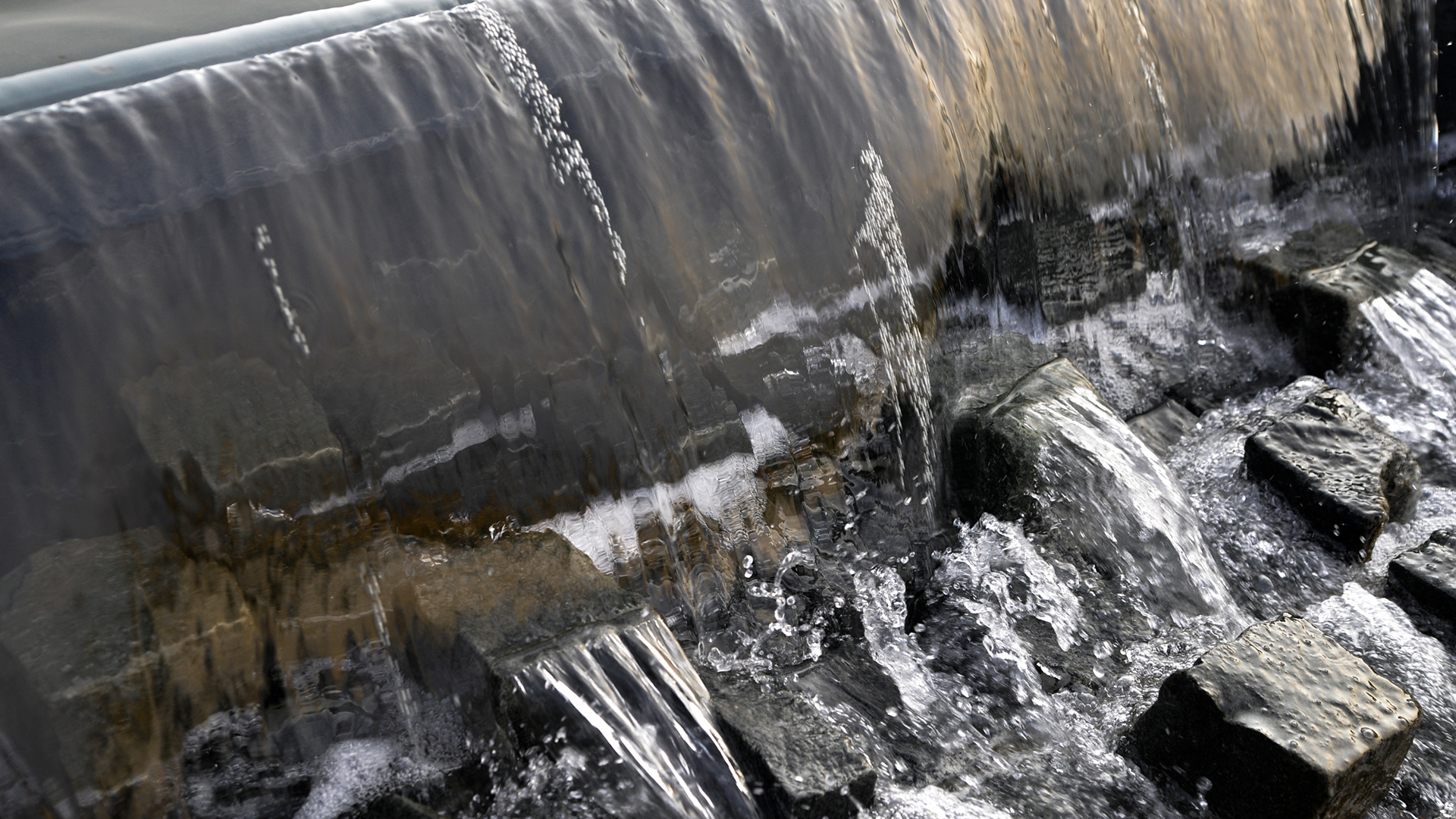
Since ancient times, water has been more than a resource — it has been a source of inspiration, emotion, and symbolism. In landscape architecture, water embodies a universal language, capable of transforming a simple outdoor space into a multisensory experience. Its movement, sound, and reflective qualities allow gardens and urban areas to acquire rhythm, atmosphere, and depth.
One of the greatest strengths of water in garden design is its versatility. A still reflecting pool creates serenity, inviting contemplation and introspection. By contrast, a cascading fountain introduces dynamism, freshness, and sound that animate space. CMD/LA often combines these approaches, creating sequences where quiet ponds alternate with streams or interactive water features, shaping experiences that unfold gradually.
In private gardens across Bucharest, water features provide both aesthetic and climatic benefits. Small pools or narrow channels bring a sense of coolness during the summer, while fountains become focal points around which vegetation and architecture converge. Lighting design amplifies these effects, allowing water to shimmer and transform during the evening hours, extending the life of the garden into the night.
In the urban context, water becomes a civic gesture. Public plazas with fountains, misting systems, and interactive jets are not only visual spectacles but also tools for comfort and resilience. They cool microclimates, reduce dust, and encourage social interaction. In cities such as Bucharest, integrating water-sensitive design into public spaces is essential for addressing climate change while enhancing quality of life.
Beyond aesthetics, water in landscape design also raises questions of sustainability. Rain gardens, permeable surfaces, and retention basins are key strategies for capturing and reusing rainwater. These methods reduce flooding risks while supporting biodiversity and soil health. CMD/LA integrates these principles into its projects, proving that beauty and sustainability can go hand in hand.
Water speaks to human emotion like no other element. A trickling stream evokes intimacy, while a monumental fountain suggests power and grandeur. In contemporary design, water also becomes a medium of storytelling — reflecting architecture, framing vegetation, and marking transitions between spaces. For many clients, water is not just an aesthetic choice but an emotional necessity, a way to reconnect with nature in the midst of urban density.
The presence of water in landscape architecture is never neutral. It brings life, transforms perception, and creates connections. Whether in a secluded private garden or a bustling public square, water elevates design, turning space into experience. At CMD/LA, we see water not only as a functional resource but as poetry — a living, dynamic element that speaks to the senses and to the soul.
