
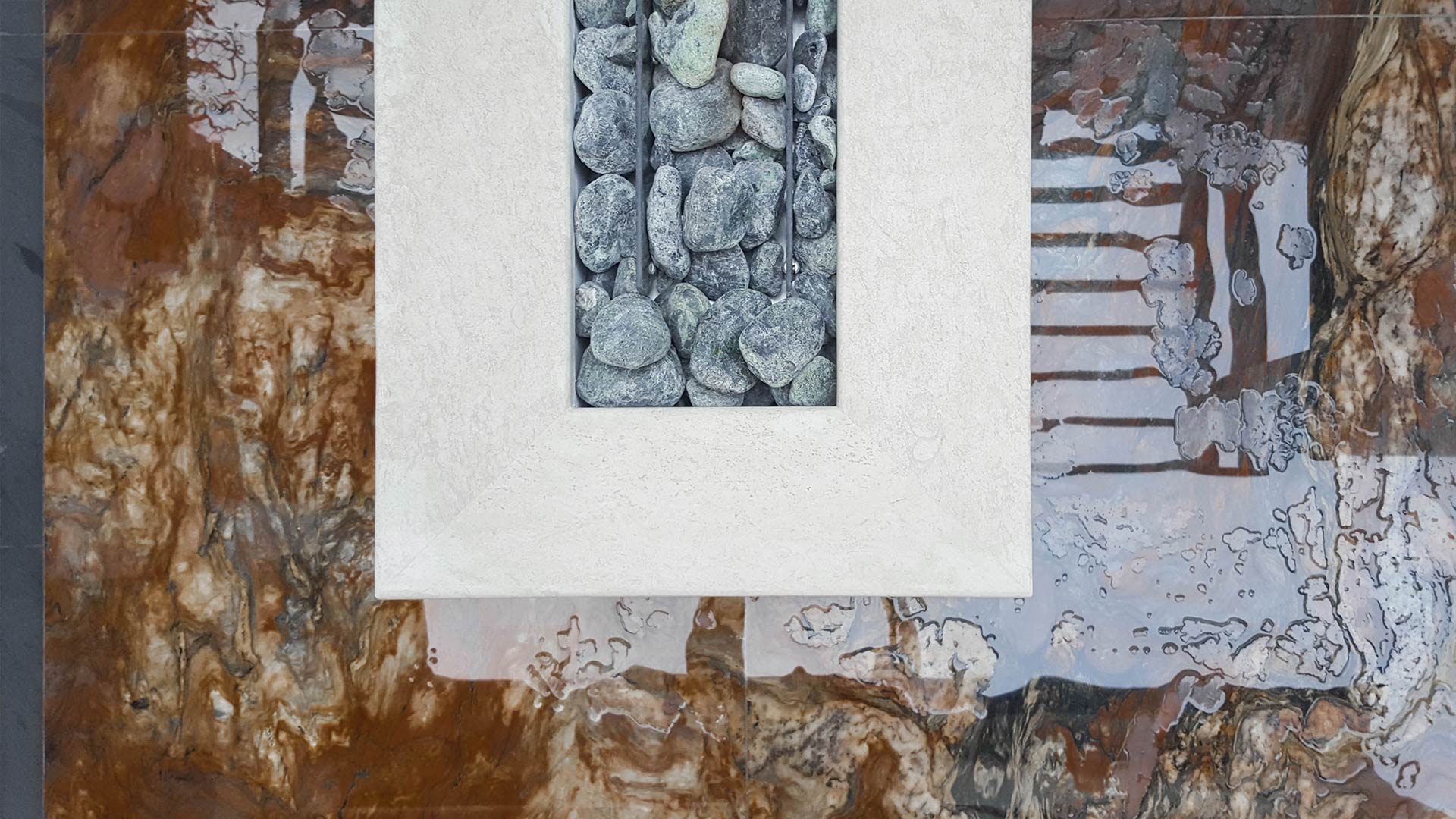
Stone is, perhaps, the oldest construction material used by humankind, and its presence in landscape architecture carries a strength that no other element can match. From private gardens to large urban plazas, natural stone remains a symbol of durability, stability, and a direct connection with nature. In today’s context, where sustainability and authenticity are increasingly valued, stone consistently returns to the forefront of projects for garden design and public space planning.
One of the undeniable advantages of stone is its versatility. Used as paving, retaining walls, stairs, or simple decorative accents, stone gives each space a distinctive character. In a contemporary garden, natural stone slabs can guide footsteps through vegetation, creating a subtle relationship between people and nature. In an urban setting, granite or basalt become markers of endurance, able to support heavy flows of people while retaining a noble appearance for decades.
Stone integrates harmoniously in both traditional architecture and modern compositions. In Romania, particularly in Bucharest, there is a renewed interest in natural materials, which give projects long-lasting identity and a cultural link to their surroundings.
In an era dominated by prefabricated materials, stone has the merit of being authentic. Its varied textures, subtle colors, and the interplay between polished and raw surfaces provide a unique expressiveness. Unlike other materials, stone does not try to imitate anything — it is the direct result of geology and the passage of time.
Natural stone is also a material with a low ecological footprint, when responsibly sourced and used. Its longevity reduces the need for frequent replacement, making it ideal for sustainable landscape architecture. In garden design, this translates into fewer long-term interventions and a better integration into the natural environment.
In residential gardens, stone creates intimacy and structure. A stone wall can define areas of relaxation, while a paved path invites slow, contemplative walks. The contrast between ornamental plants and the raw textures of stone creates a remarkable visual balance.
In public spaces, stone is a marker of civic identity. Squares paved with cobblestone, monumental staircases, or fountains with stone details acquire a durable and representative character. These features not only organize flows of movement but also communicate stability and a sense of collective belonging.
Regardless of context, stone remains a universal language of landscape architecture. Beyond its functionality, it conveys emotion: solidity, authenticity, permanence. It is the material that bridges the present with the past, architecture with nature, and personal space with the public realm.
In contemporary landscape architecture projects, natural stone is more than just a material — it is a symbol. A symbol of continuity, of respect for the environment, and of the pursuit of aesthetic balance in the midst of urban complexity.
