
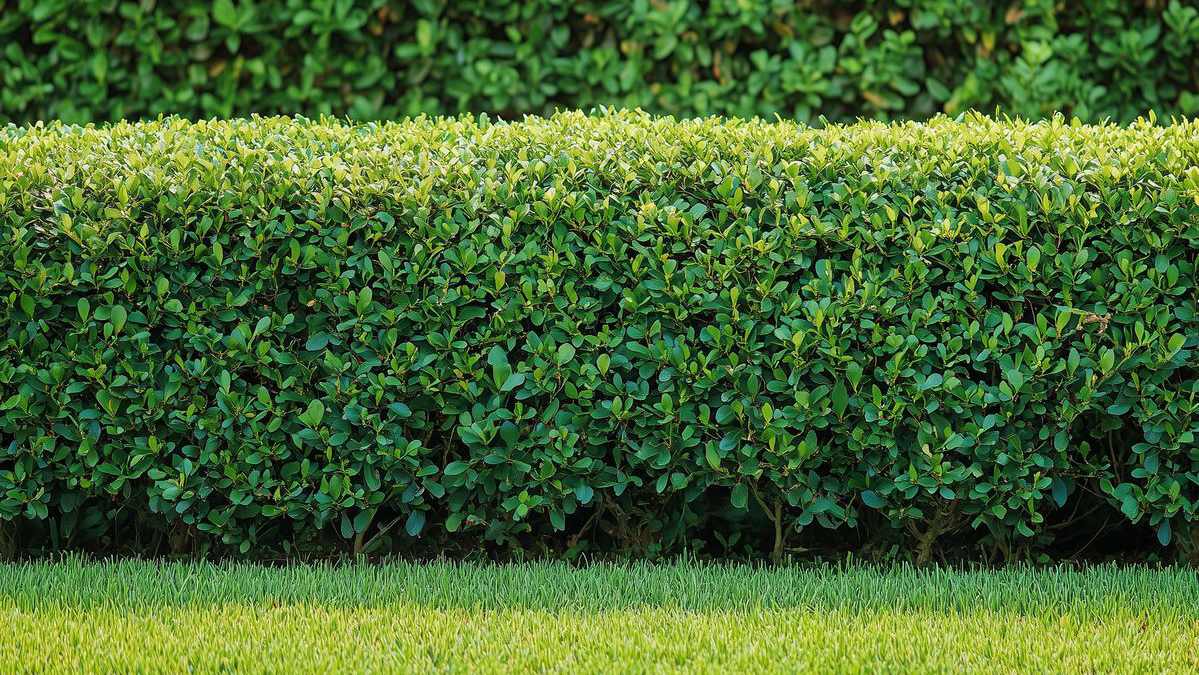
Hedges have long been used to define outdoor spaces, but living hedges transform this function into an art of natural architecture. They offer privacy, reduce noise, guide circulation, and enrich the visual identity of gardens and urban landscapes, all while evolving with the seasons.
Living hedges act as natural partitions, creating secluded spaces without the rigidity of built walls. Their presence softens boundaries, providing intimacy in residential gardens and comfort in public spaces. Unlike fences or concrete enclosures, they breathe, grow, and adapt to their environment.
From evergreen shrubs that ensure year-round density to deciduous species that change color with the seasons, hedges introduce dynamism and natural rhythm into outdoor design. Flowering hedges attract pollinators, while mixed compositions encourage biodiversity, creating habitats for birds and small wildlife.
Beyond aesthetics, living hedges contribute to environmental comfort. Their density acts as a buffer against urban noise, while their foliage helps regulate microclimates, reducing wind and filtering dust. In dense urban areas, this ecological performance is invaluable for improving the quality of life.
Living hedges adapt to both classical and contemporary landscapes. They can form strict geometric alignments reminiscent of historical gardens or looser, natural compositions for modern projects. Designers can play with height, density, and species choice to tailor hedges to the identity of each space.
As landscape architecture embraces sustainable strategies, living hedges regain relevance as multifunctional design tools. They embody the idea of “nature as infrastructure,” supporting ecology while shaping aesthetics and spatial organization.
Living hedges are not just boundaries — they are green walls that breathe, protect, and inspire. In the landscapes of tomorrow, they remain timeless elements of resilience, beauty, and connection with nature.
