
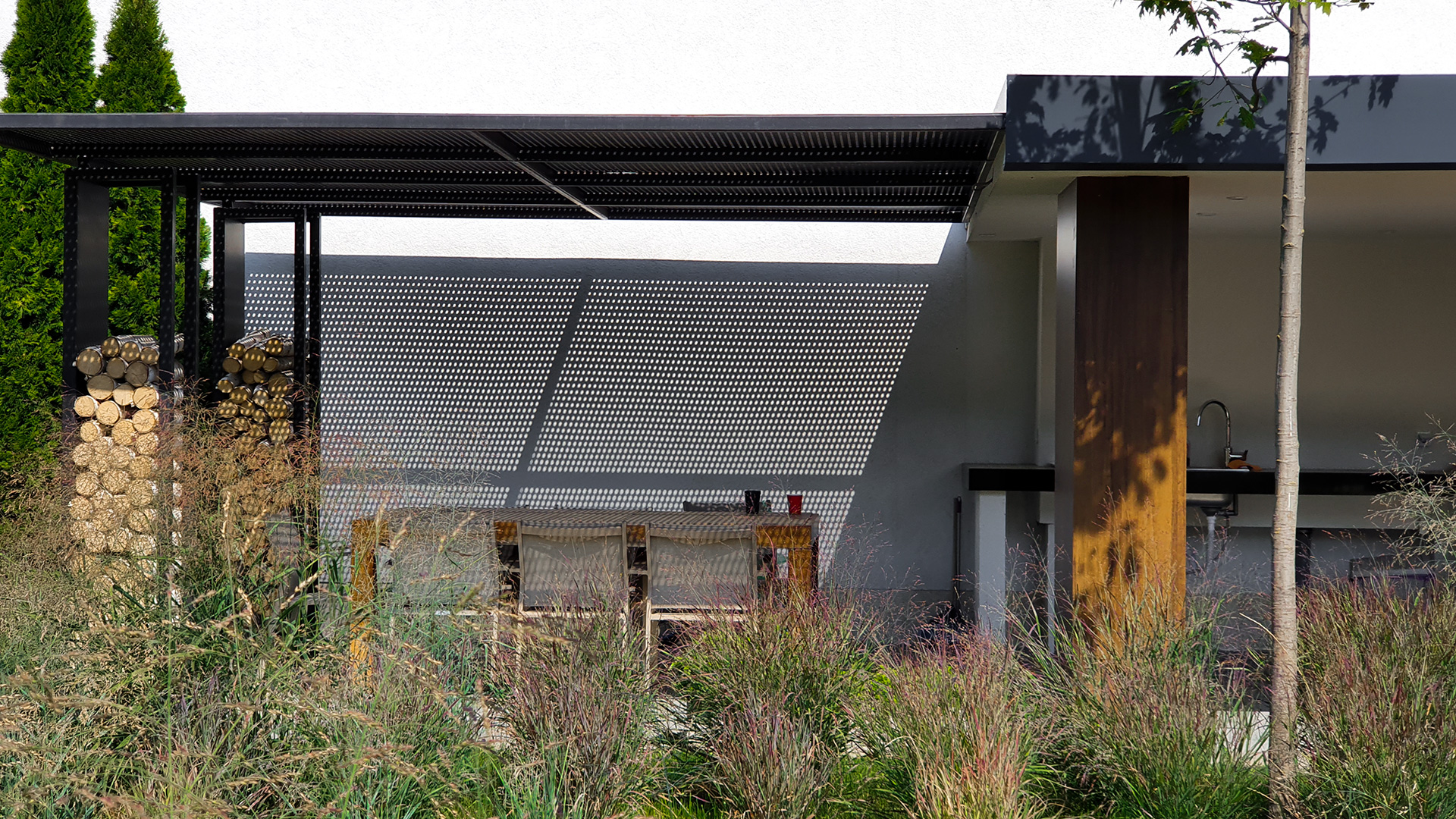
Bucharest is a city of contrasts — a place where historic villas coexist with modern architecture, where narrow streets open unexpectedly into wide boulevards. In this vibrant context, contemporary garden design becomes a delicate exercise of balance: honoring tradition while embracing innovation. At CMD/LA, our approach is to reinterpret classical garden elements through a contemporary lens, creating outdoor spaces that are both timeless and relevant.
For many residents of Bucharest, private gardens are more than decorative additions — they are sanctuaries of calm, offering respite from the intensity of city life. A contemporary garden emphasizes clean lines, open views, and carefully curated vegetation. Minimalist planting schemes, often based on ornamental grasses, perennials, and sculptural shrubs, highlight seasonal change and encourage biodiversity. Water features, subtle lighting, and integrated seating transform gardens into intimate retreats.
Materials shape the character of a garden as much as plants do. Stone, wood, and metal remain fundamental to CMD/LA’s design philosophy. In Bucharest’s gardens, natural stone paving creates elegant paths, while wooden pergolas frame outdoor dining areas. Steel and corten accents add a contemporary edge, contrasting with the softness of vegetation. This careful interplay between raw textures and refined design ensures durability and a strong aesthetic identity.
In an age where sustainability defines every design decision, eco-conscious landscape architecture is essential. Rainwater collection, permeable paving, and the use of native plants reduce maintenance needs and enhance ecological resilience. Contemporary gardens in Bucharest increasingly serve as examples of how private outdoor spaces can contribute to urban sustainability by reducing heat islands, supporting pollinators, and creating microclimates for comfort.
A defining feature of CMD/LA’s projects is the seamless connection between architecture and landscape. Gardens are designed not as isolated spaces but as extensions of the house. Large glass facades open towards lush greenery, terraces flow into lawns, and plantings are arranged to frame specific views. In Bucharest’s residential projects, this integration ensures that outdoor areas are lived-in, not just looked at — spaces where everyday life unfolds in harmony with nature.
The city itself becomes a source of inspiration. Urban parks, cultural plazas, and historic gardens provide ideas that can be translated into private contexts. Elements such as geometric layouts, symmetry, or traditional plant palettes are reinterpreted in contemporary ways, offering a sense of familiarity combined with freshness. In this way, each garden in Bucharest reflects both personal lifestyle and collective cultural identity.
Designing contemporary gardens in Bucharest means more than following trends — it means creating spaces rooted in the city’s unique character while projecting a vision for the future. By blending natural materials, sustainable strategies, and refined aesthetics, CMD/LA delivers gardens that are at once personal and universal. They stand as living testaments to the idea that outdoor spaces are not simply backdrops, but essential parts of daily life, shaping how we live, feel, and connect with our environment.
