
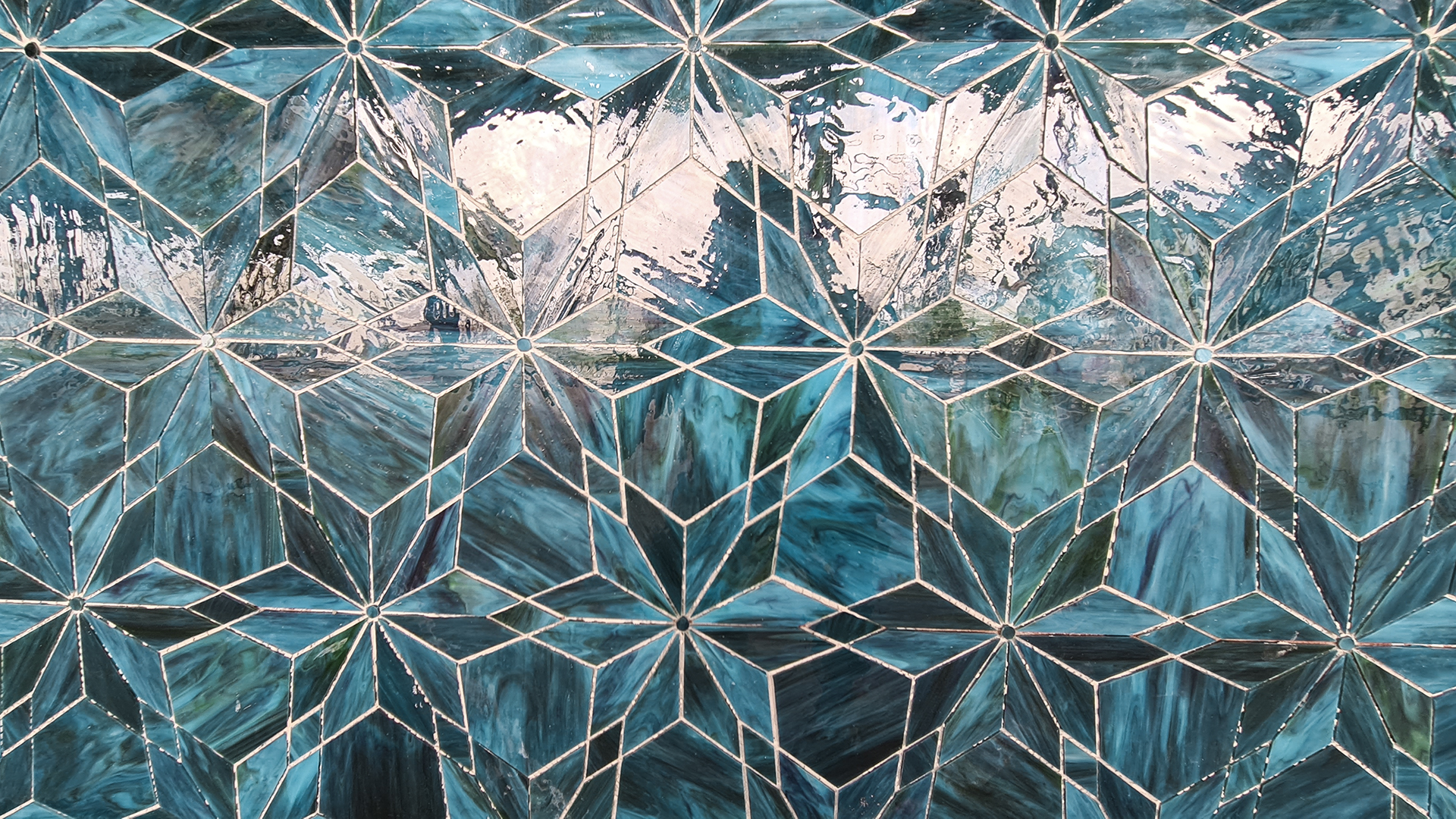
Ceramics have been part of human culture for millennia, shaping both utilitarian and artistic objects. In landscape architecture, ceramic materials retain this dual character: they are practical and durable, yet also deeply expressive. From traditional terracotta tiles to contemporary porcelain surfaces, ceramics bring together history and innovation in outdoor spaces.
The greatest strength of ceramics lies in their variety. Tiles can introduce vibrant color palettes, delicate patterns, or refined monochromes into gardens and plazas. Glazed surfaces reflect light in unique ways, while matte finishes absorb and soften it. This versatility allows ceramics to adapt seamlessly to different design concepts, whether minimalistic or richly decorative.
In Mediterranean and Eastern European gardens, ceramics have long been used in paving, mosaics, and water features. Contemporary projects reinterpret these traditions, using ceramic elements to evoke cultural identity while aligning with modern design aesthetics. In Bucharest and across Romania, architects increasingly rediscover ceramics as a way to connect with regional heritage.
Ceramic materials are not only beautiful but also resilient. High-quality porcelain tiles are resistant to weather, frost, and heavy use, making them ideal for public plazas and walkways. Moreover, ceramics can be produced with lower environmental impact when using recycled materials or energy-efficient processes, supporting sustainable design goals.
In private gardens, ceramic pavers and decorative inserts bring warmth and identity to terraces, courtyards, or garden paths. In urban projects, large-format ceramics define plazas, amphitheaters, and fountains, where their durability and elegance serve both functional and aesthetic purposes. The interplay of ceramic with stone, wood, or vegetation enhances diversity in landscape compositions.
Today, ceramics stand as a bridge between craft and technology. They embody both memory and modernity, lending outdoor spaces a tactile, human-centered quality. In landscape architecture, ceramics are more than just surfaces: they are storytellers, expressing cultural continuity and innovative design thinking.
Through their colors, textures, and adaptability, ceramics enrich landscapes with meaning and longevity, ensuring that every project resonates with both tradition and contemporary vision.
